Operational Console
Real-time risk assessment and migration predictions for forest rangers
Scenario Controls
Configure local environmental factors to test risk probabilities
HEC Risk Assessment
Recommended Ranger Protocol
- Select estate and run prediction to generate tactical recommendations.
Predicted Next Geographic Zone (Movement Path)
Top 5 potential zones where the herd is expected to migrate next
| ML Rank | Next Destination Zone | XGBoost Probability | Markov Chain Rank | Markov Chain Prob | Model Agreement |
|---|---|---|---|---|---|
| No scenario evaluated. Run assessment above. | |||||
Ranger Tip: "Both agree" targets represent high-confidence migration paths. Prioritize deployment of early-warning warning systems in these zones.
Dynamic Density Filter
Plot dynamic telemetry overlays based on seasonal and diurnal metrics
Exploratory Data Analysis (EDA) Insights
These publications-quality statistics are pulled directly from our analytical models mapping historical behaviors in Valparai.
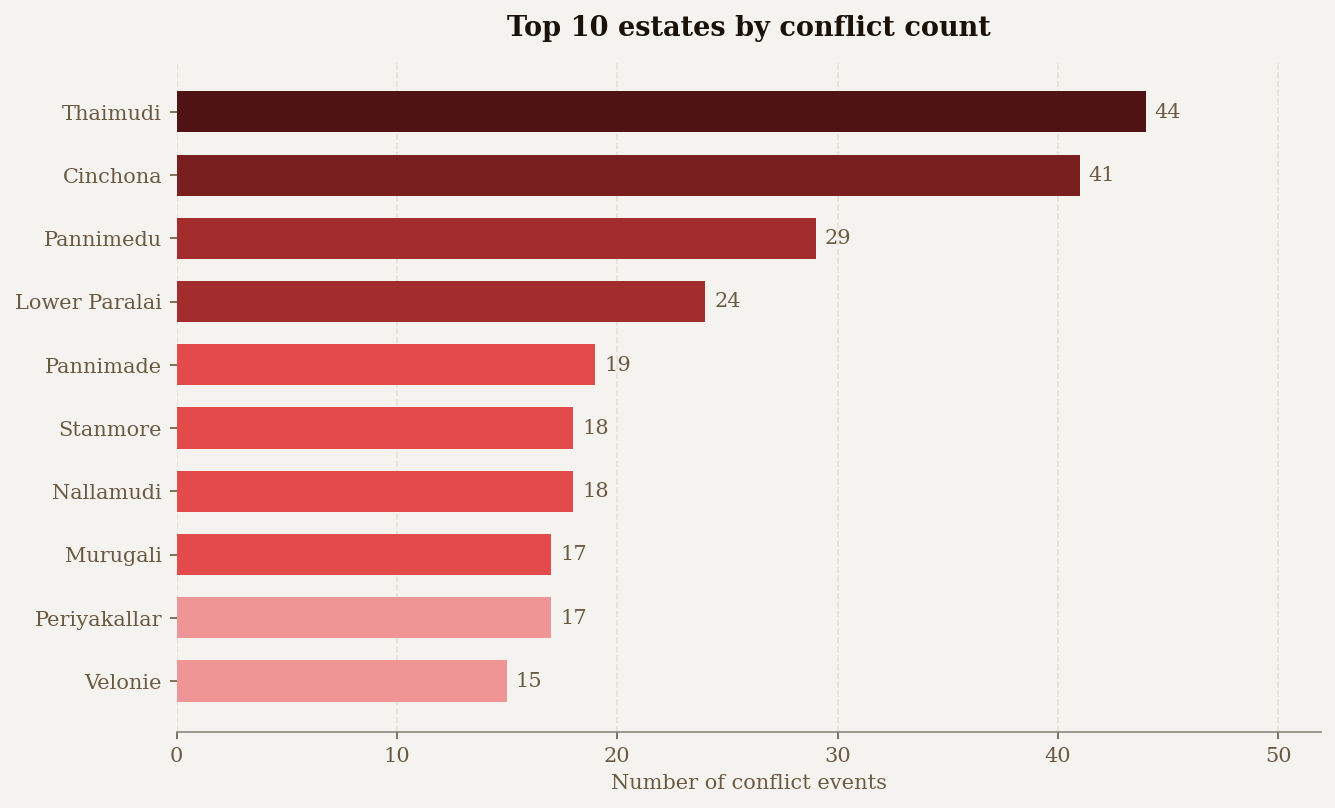
Estate Vulnerability Index
Estates carrying the highest conflict counts historically
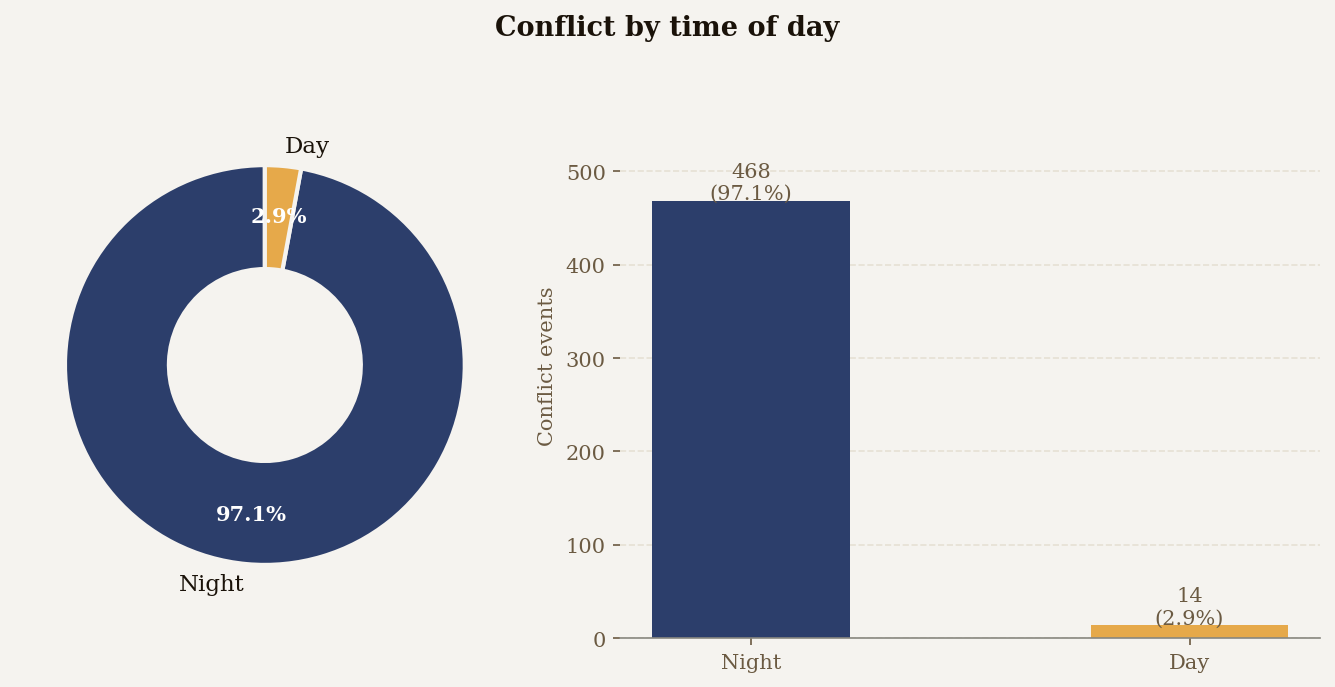
Diurnal Pattern Split
Comparison of conflict frequency between day and night encounters
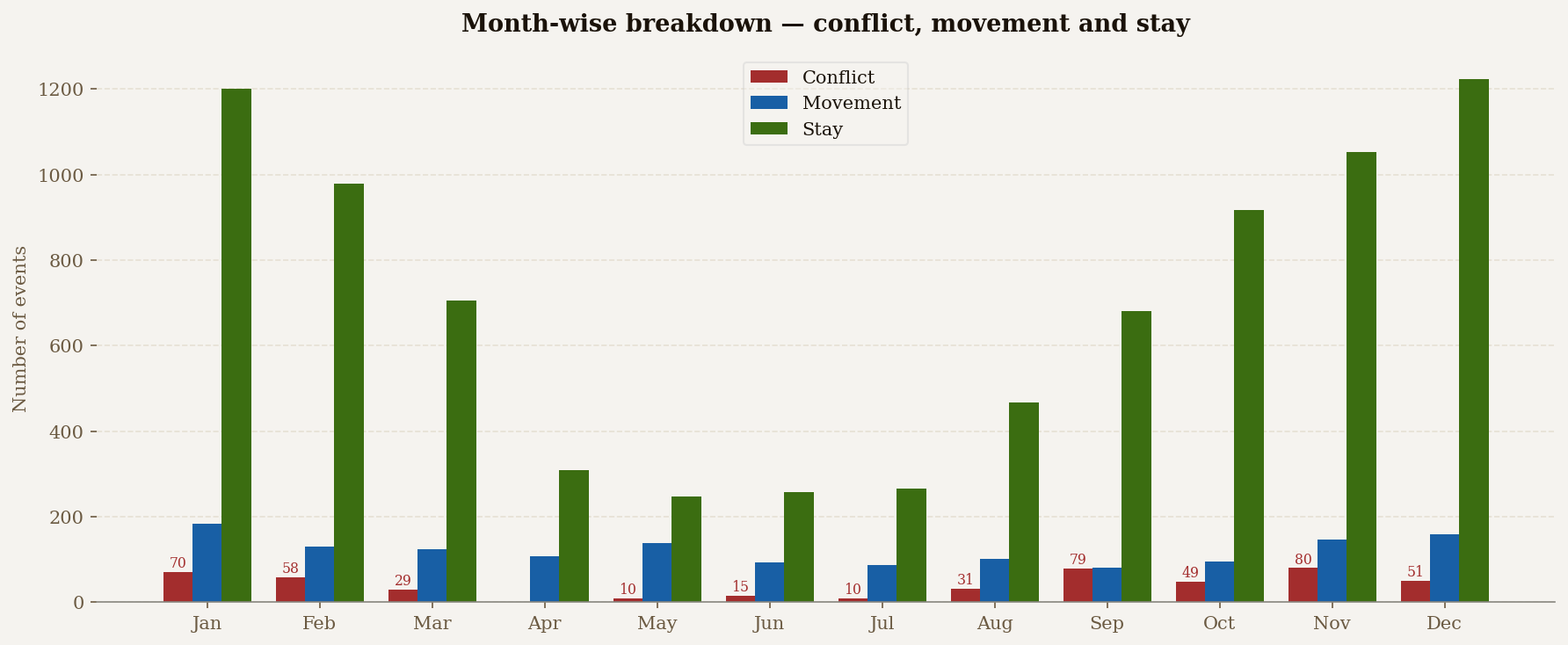
Seasonal Event Mix
Month-wise count of conflict, movement, and stay events
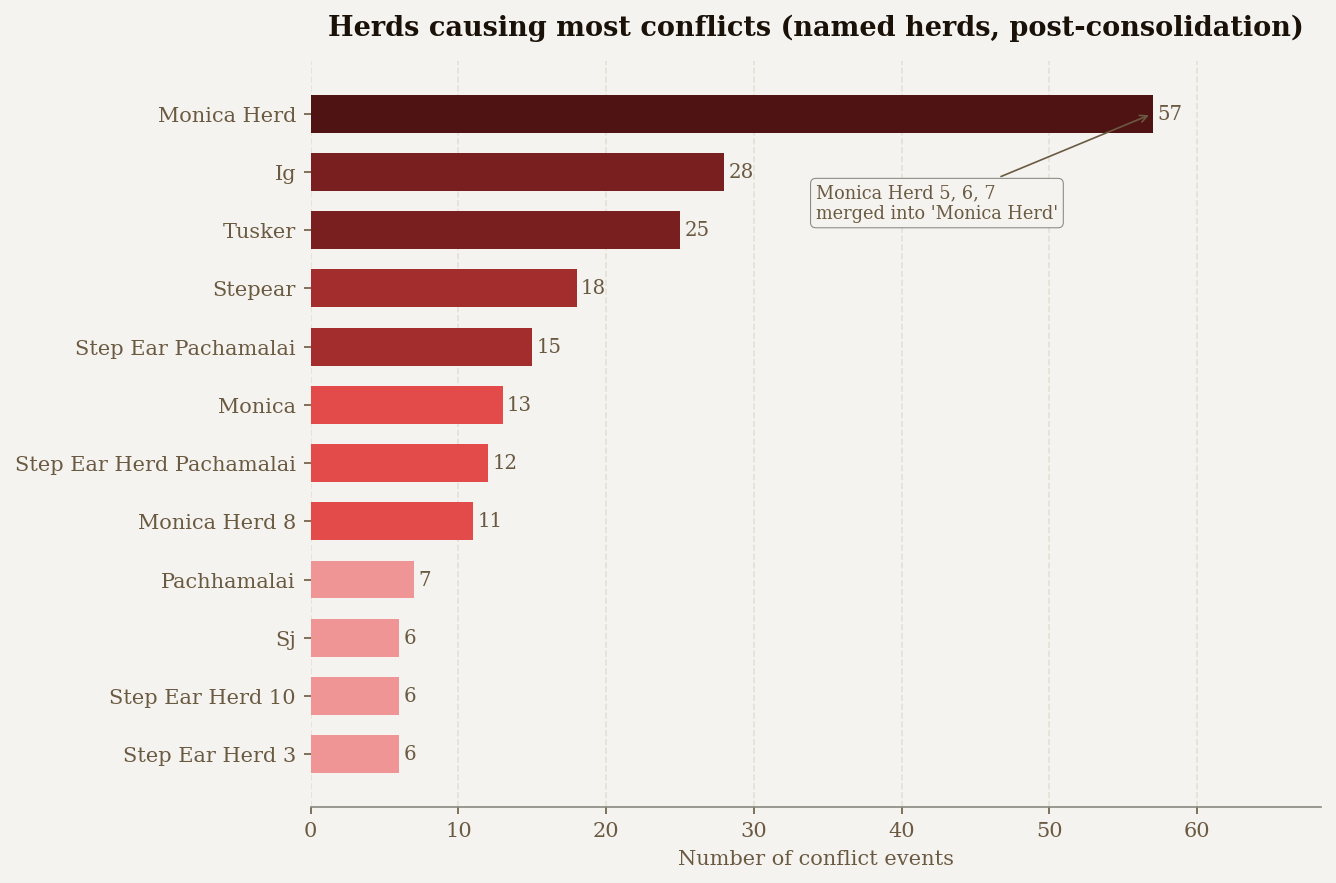
Herd Risk Contribution
Conflicts caused by individual recognized elephant families
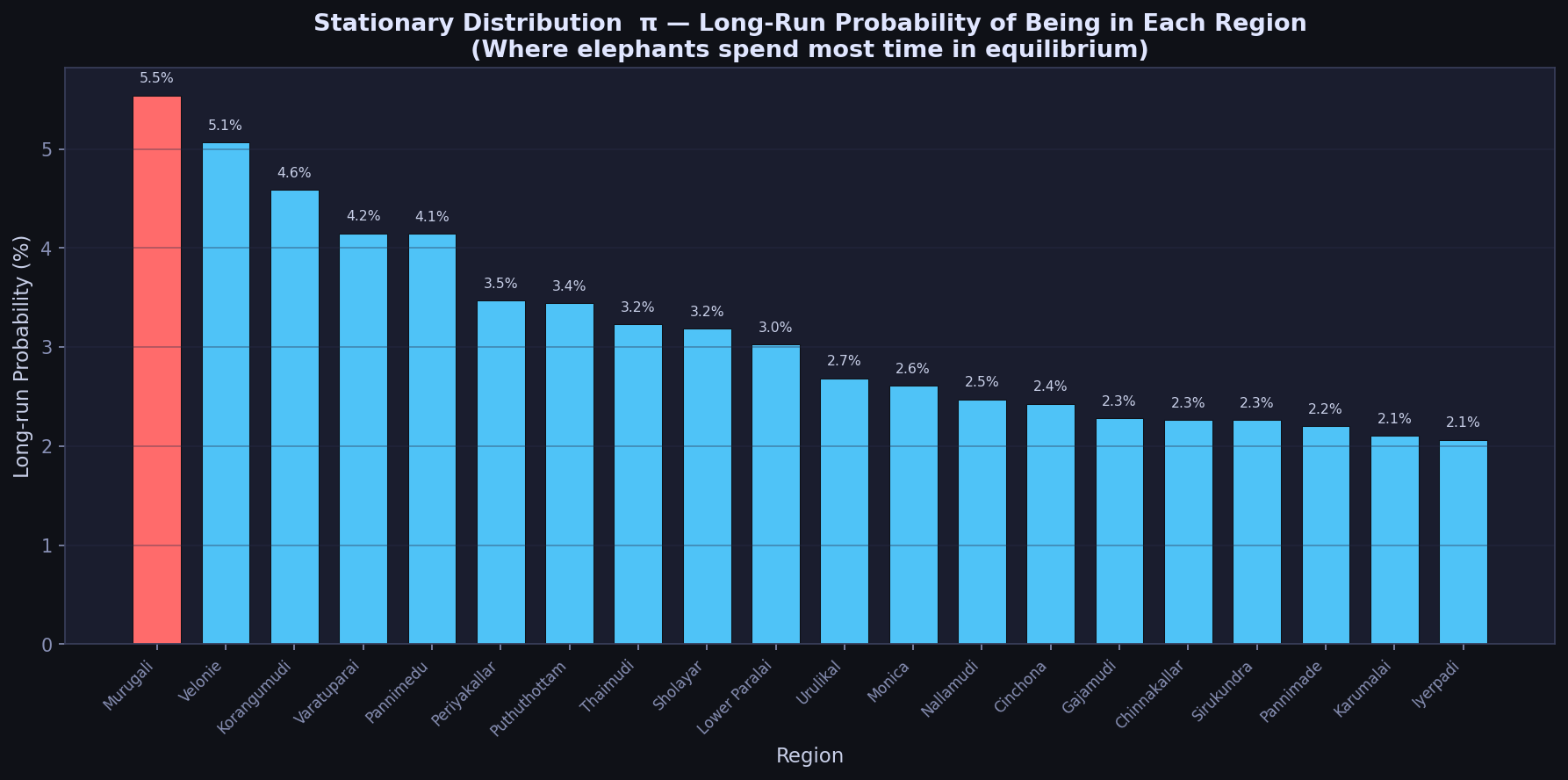
Long-Run Equilibrium Habitats
Markov Chain Stationary Distribution (π) indicating where elephants reside over long cycles
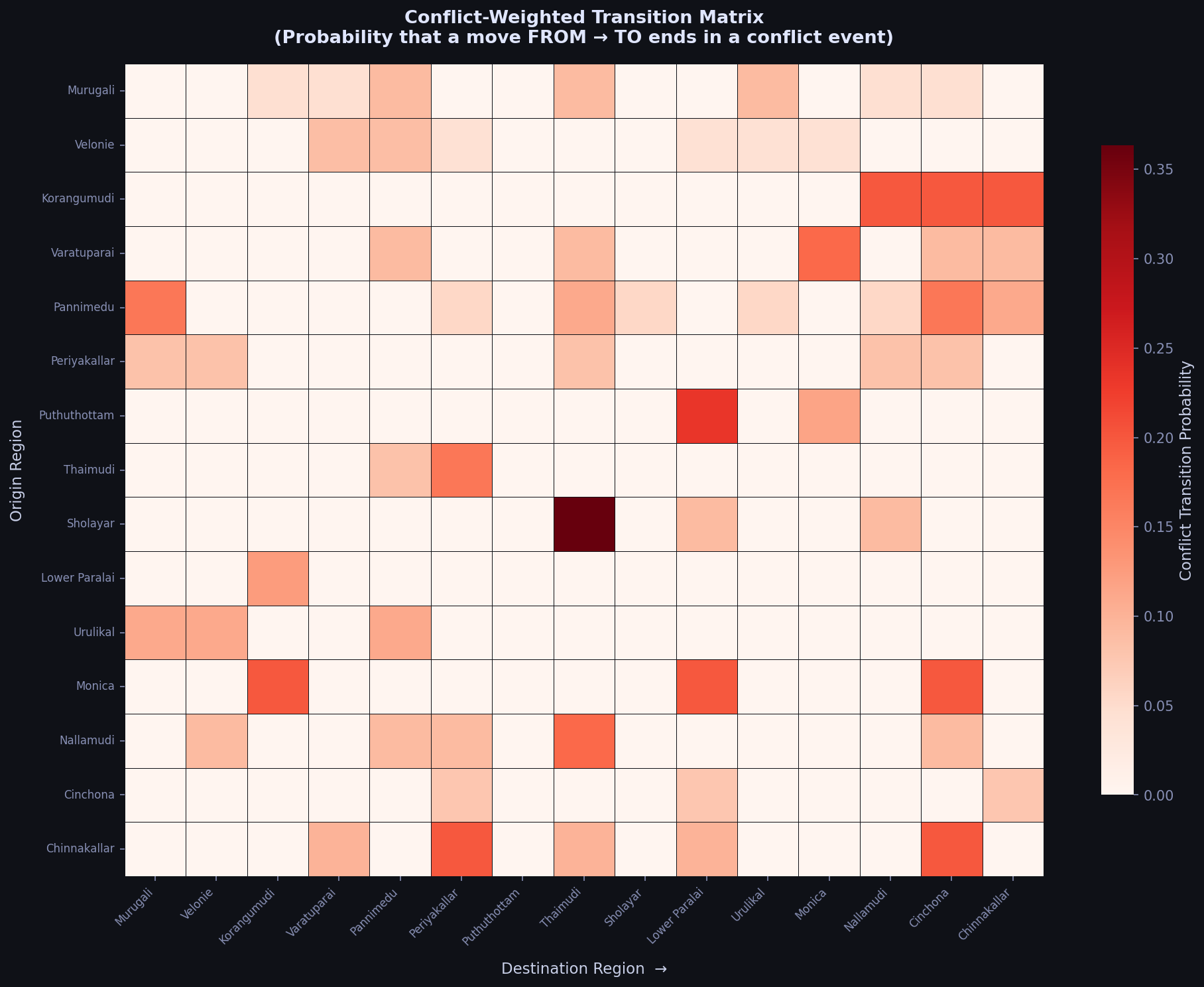
Conflict Corridors
Transition pairs most frequently ending in community conflicts
Predictive Integrity & Model Diagnostics
Transparency and explainability metrics for our XGBoost binary and multi-class classifiers.
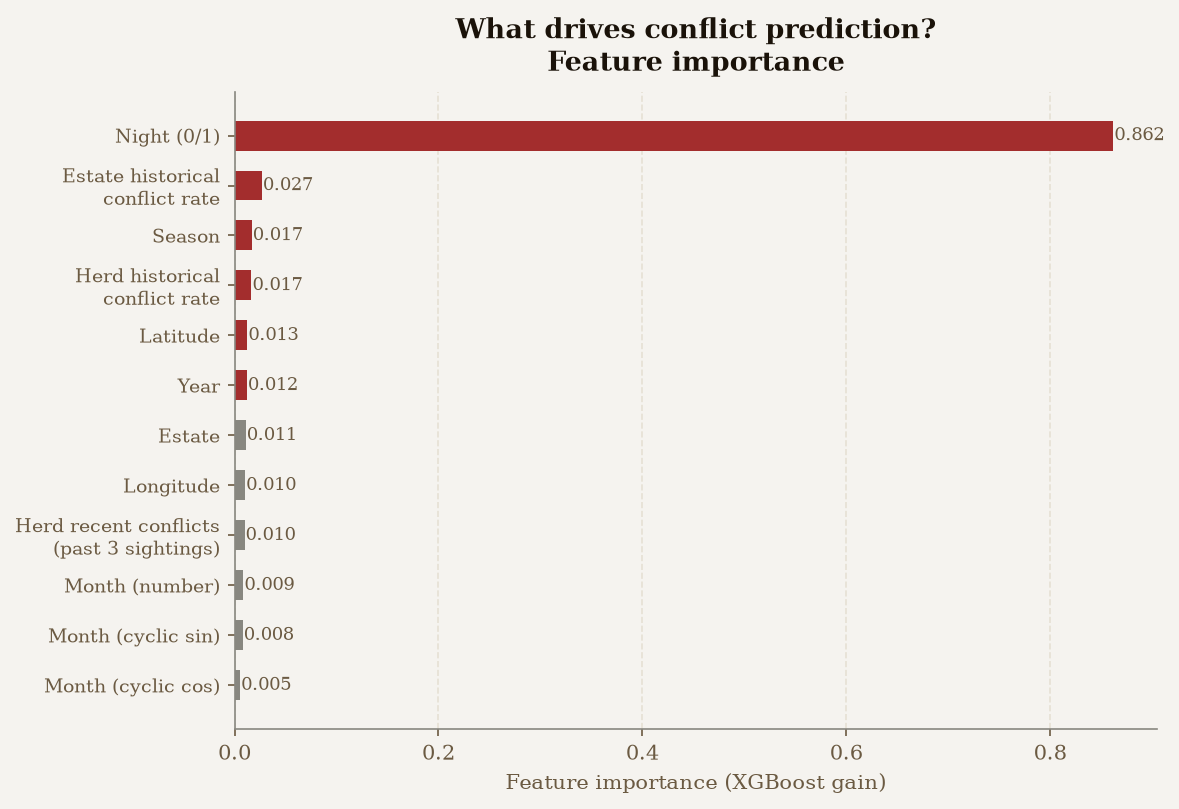
Binary Model Feature Gains
Variables driving the binary HEC risk classifier
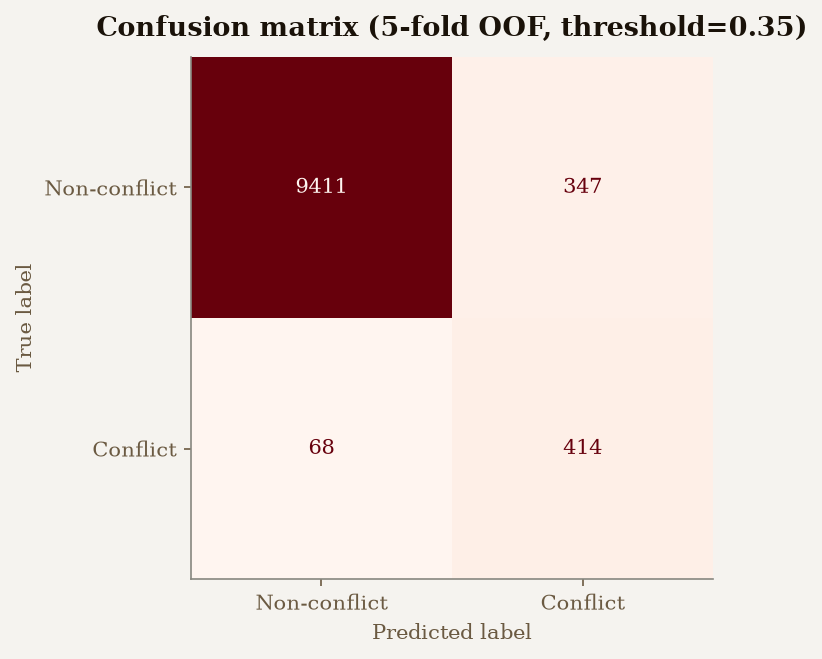
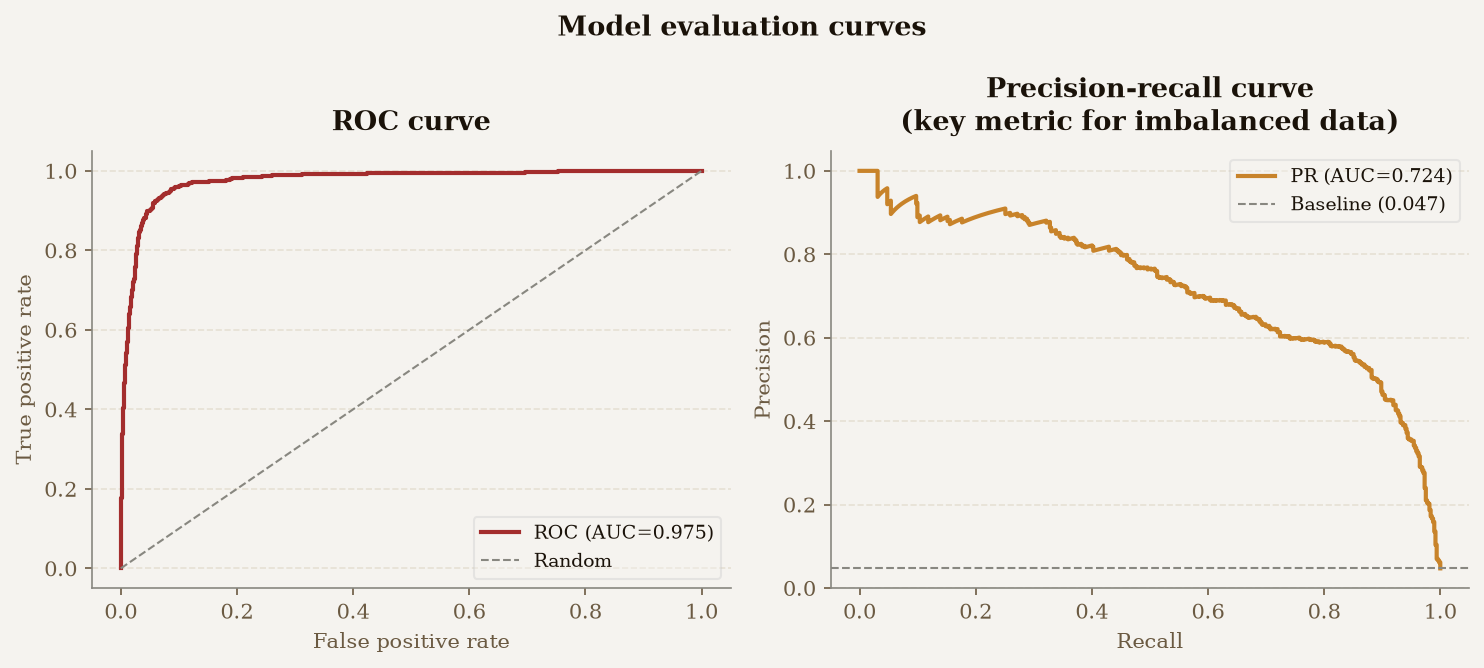
Binary Model Classification Health
Confusion matrix, ROC and Precision-Recall Curves
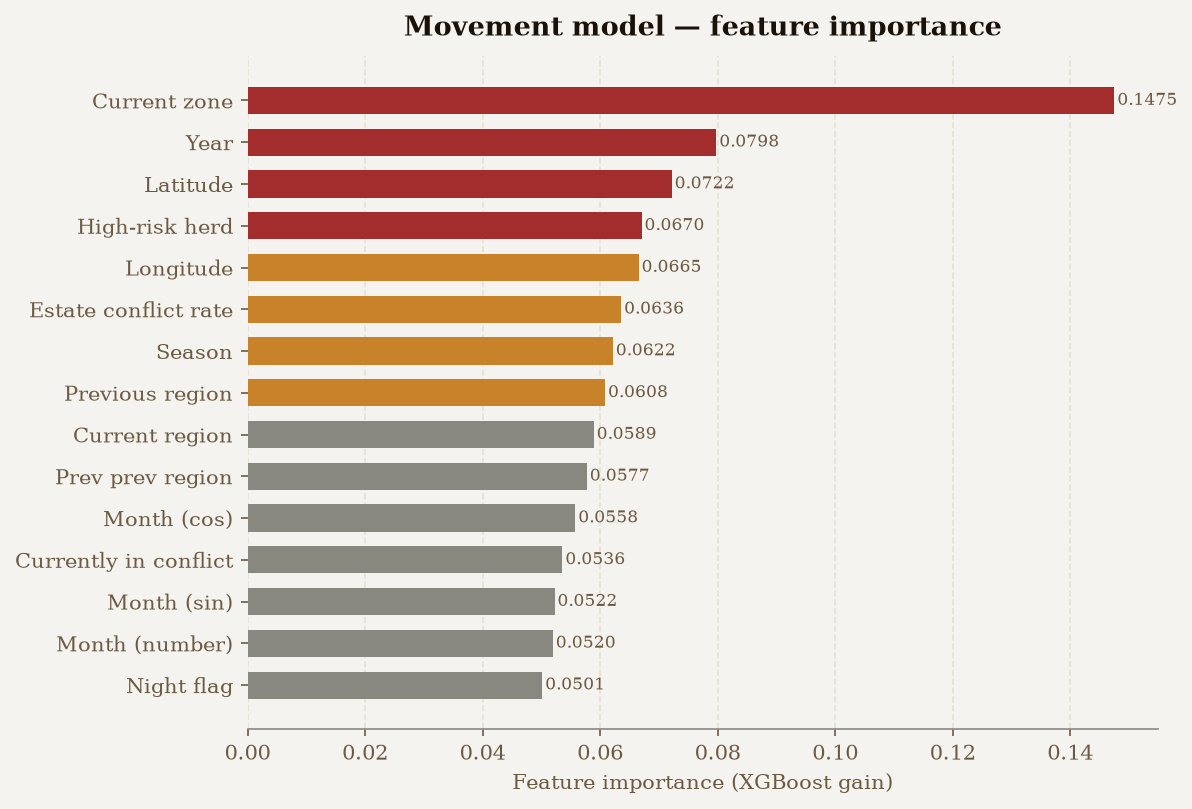
Movement Model Feature Gains
Variables driving the multi-class zone trajectory classifier
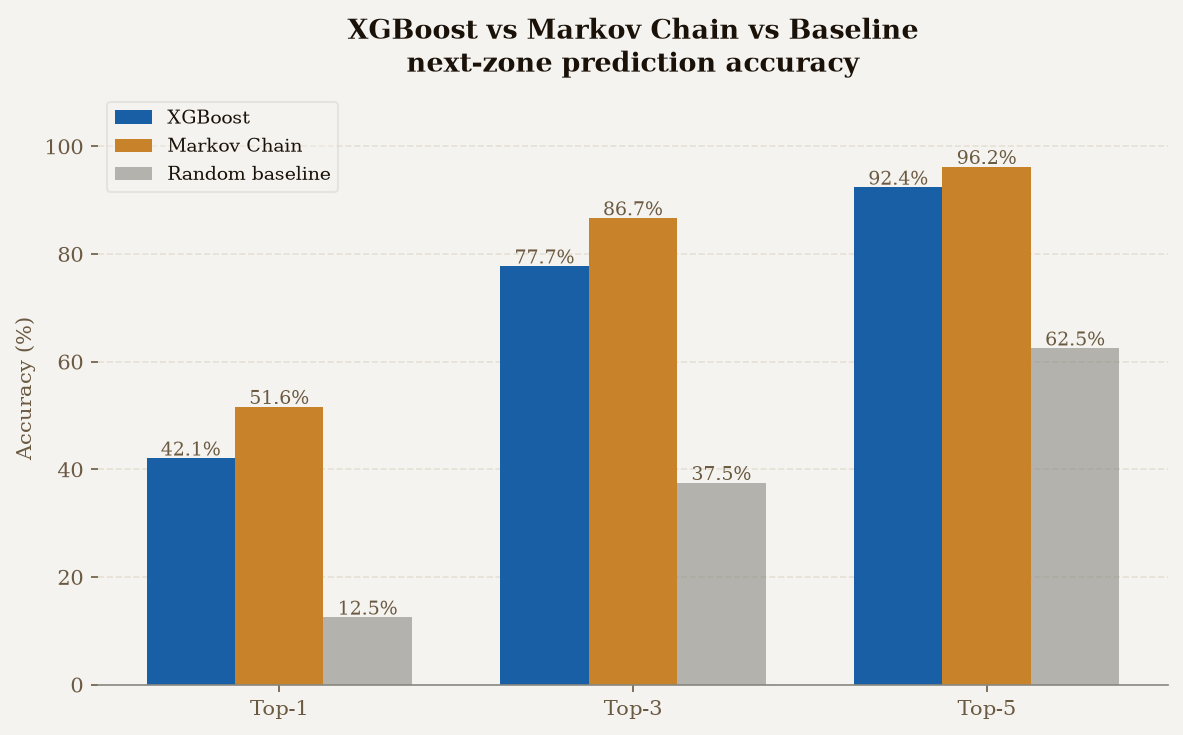
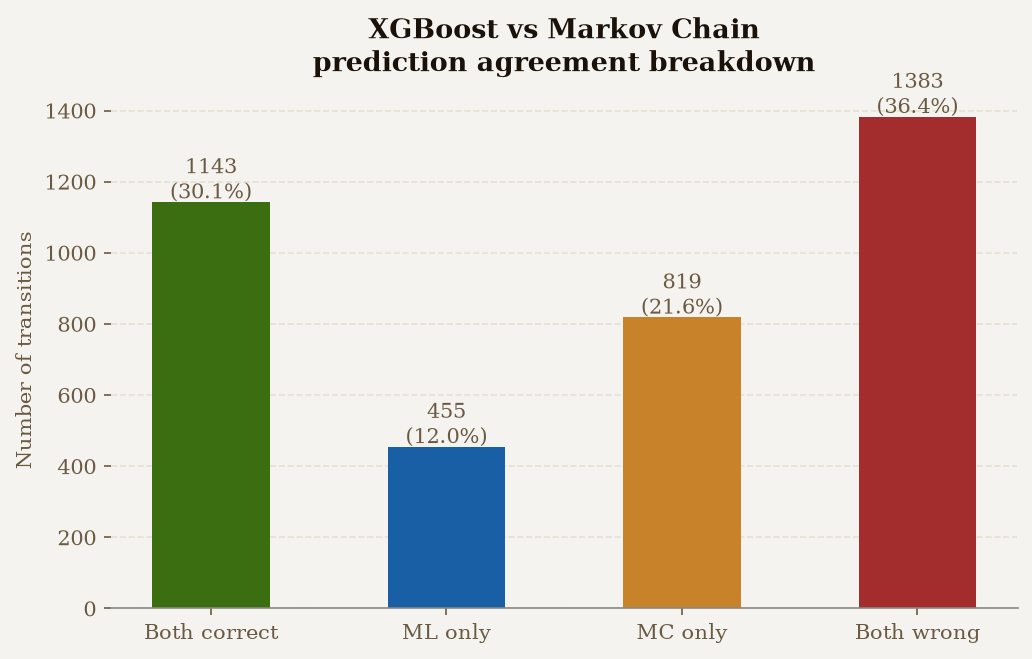
Movement Model Agreement & Evaluation
Comparative analysis of accuracy and agreement margins between models